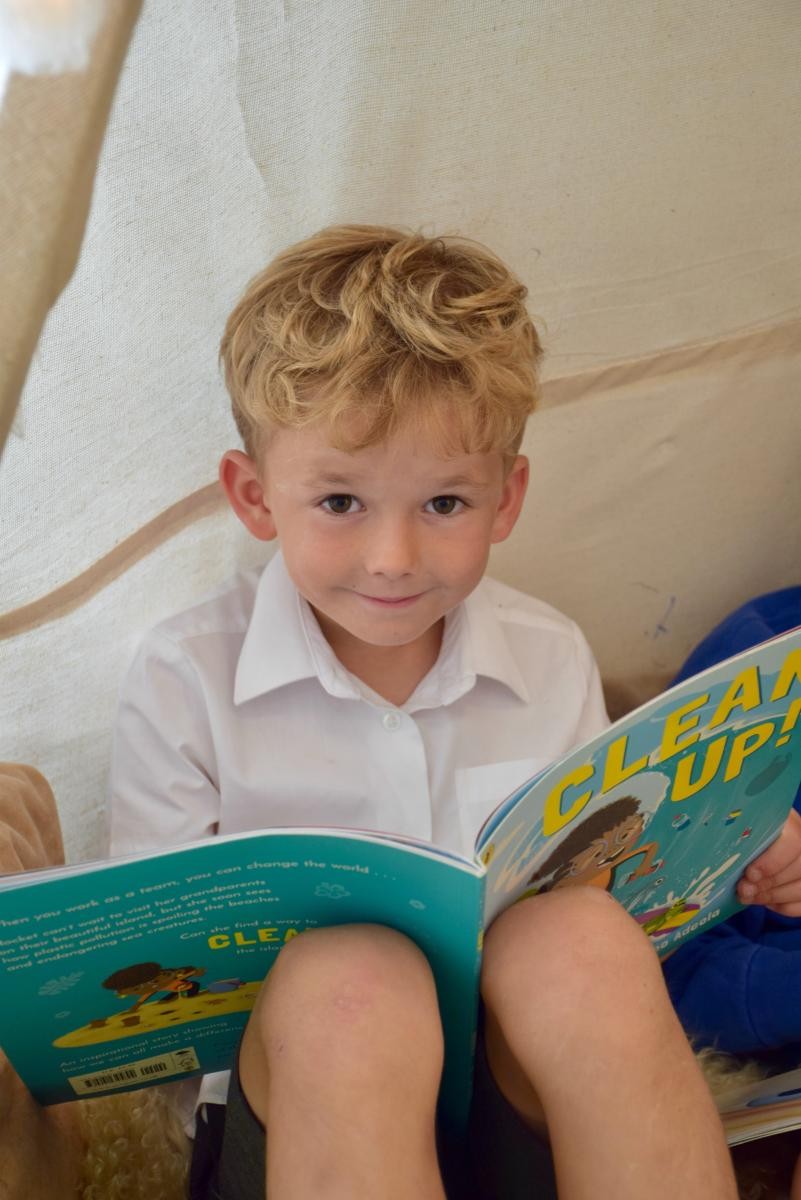
So Matilda's strong young mind continued to grow, nurtured by the voices by all those authors who had sent their books out into the world like ships on the sea.
Roald Dahl, Matilda
Reading is at the heart of our curriculum. We want every child to become a confident, fluent and enthusiastic reader, equipped with the skills to access learning, discover new ideas and experience the joy that books can bring.
From the very beginning, we immerse children in stories, rich language and high-quality texts, developing vocabulary, comprehension and a genuine love of reading. Children begin by learning to read and, as their fluency and confidence grow, increasingly read to learn. Through carefully chosen books, explicit teaching and regular opportunities to read and be read to, we aim to open doors to knowledge, imagination and a lifelong love of reading.
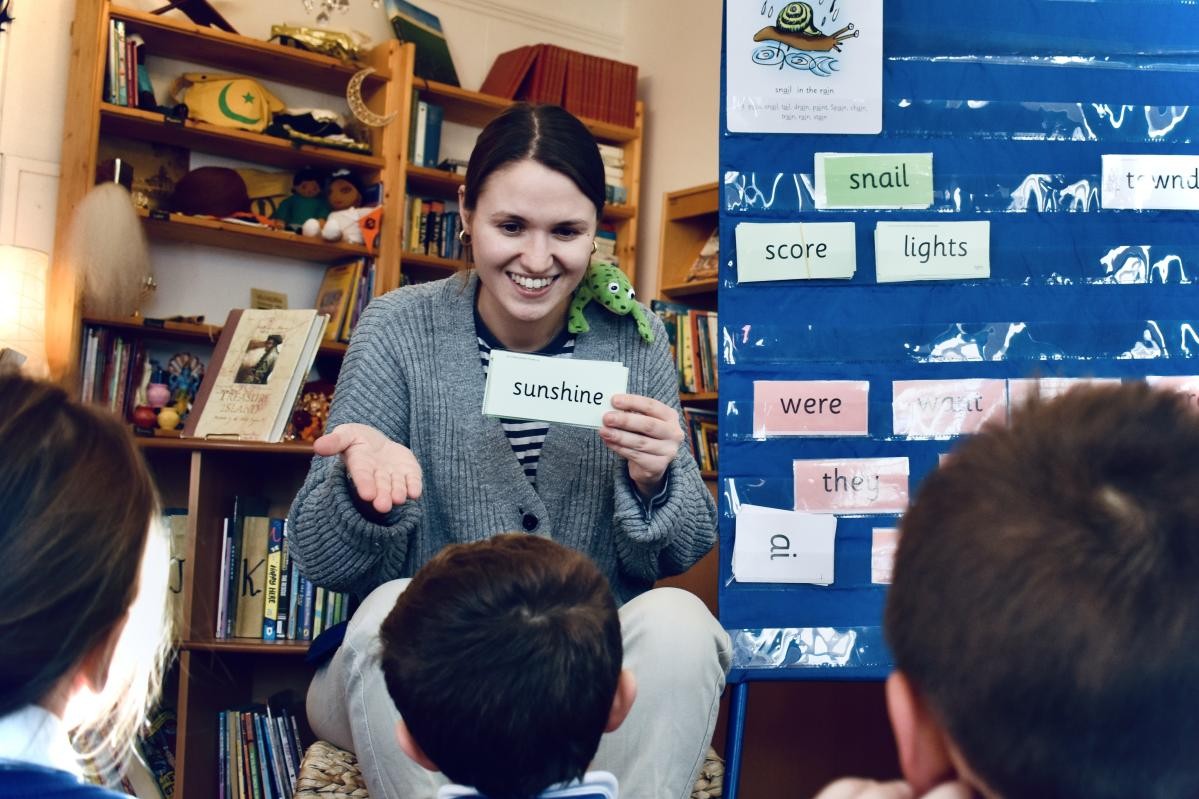
At Tintagel Primary School, we use Read Write Inc. Phonics as our systematic synthetic phonics programme (SSP) to give children a strong and consistent start to reading.
Children are taught phonics every day in EYFS and Key Stage 1. Through Read Write Inc., they learn to recognise sounds, blend sounds to read words and develop increasing accuracy and fluency. Children read books that are closely matched to the sounds they know, enabling them to practise successfully and build confidence as readers.
Our children are regularly assessed and carefully grouped so that teaching closely matches their stage of reading development. Children who need additional help receive targeted, timely support, so that they can keep up with their peers.
As children become increasingly secure and fluent, the emphasis gradually moves from learning to read to reading to learn, while continuing to develop fluency, vocabulary and comprehension.
We recognise that families play a vital role in a child’s reading journey. Throughout the year, we provide opportunities for parents and carers to learn more about how we teach phonics and reading, and how they can support reading at home.
In Year 1, children take the statutory Phonics Screening Check during the summer term.
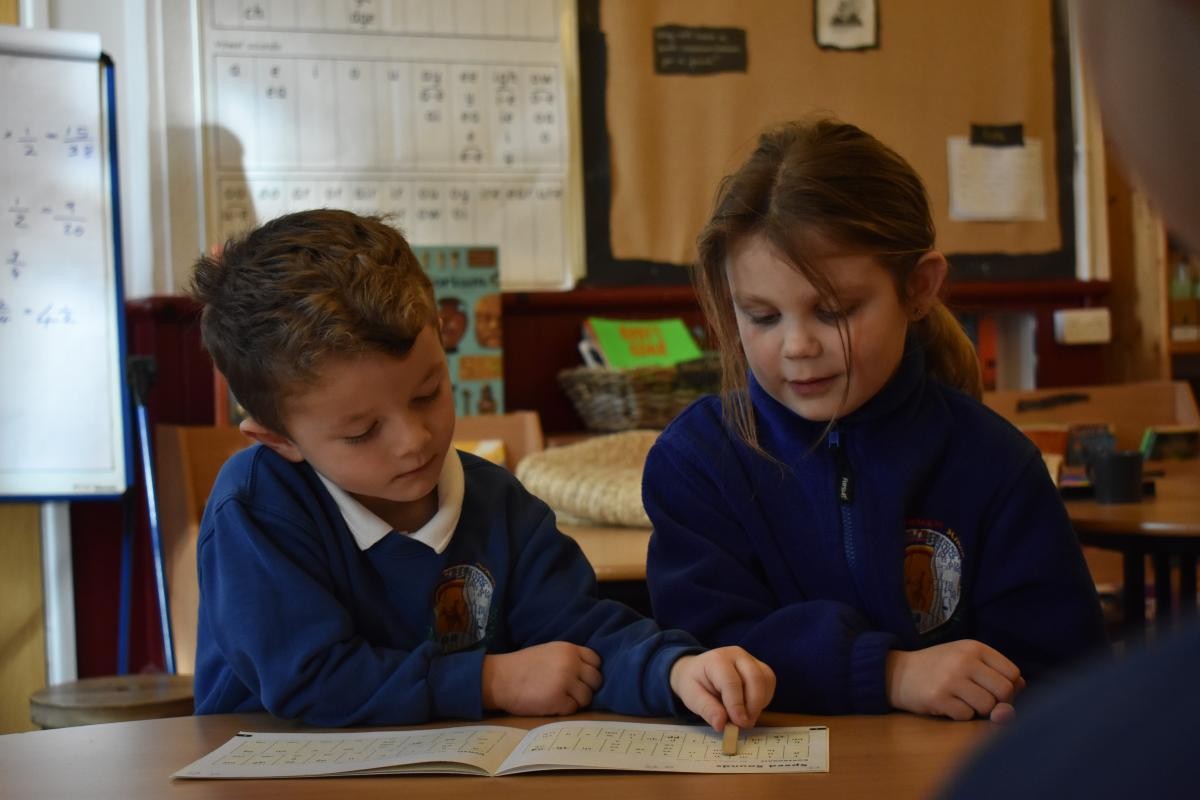
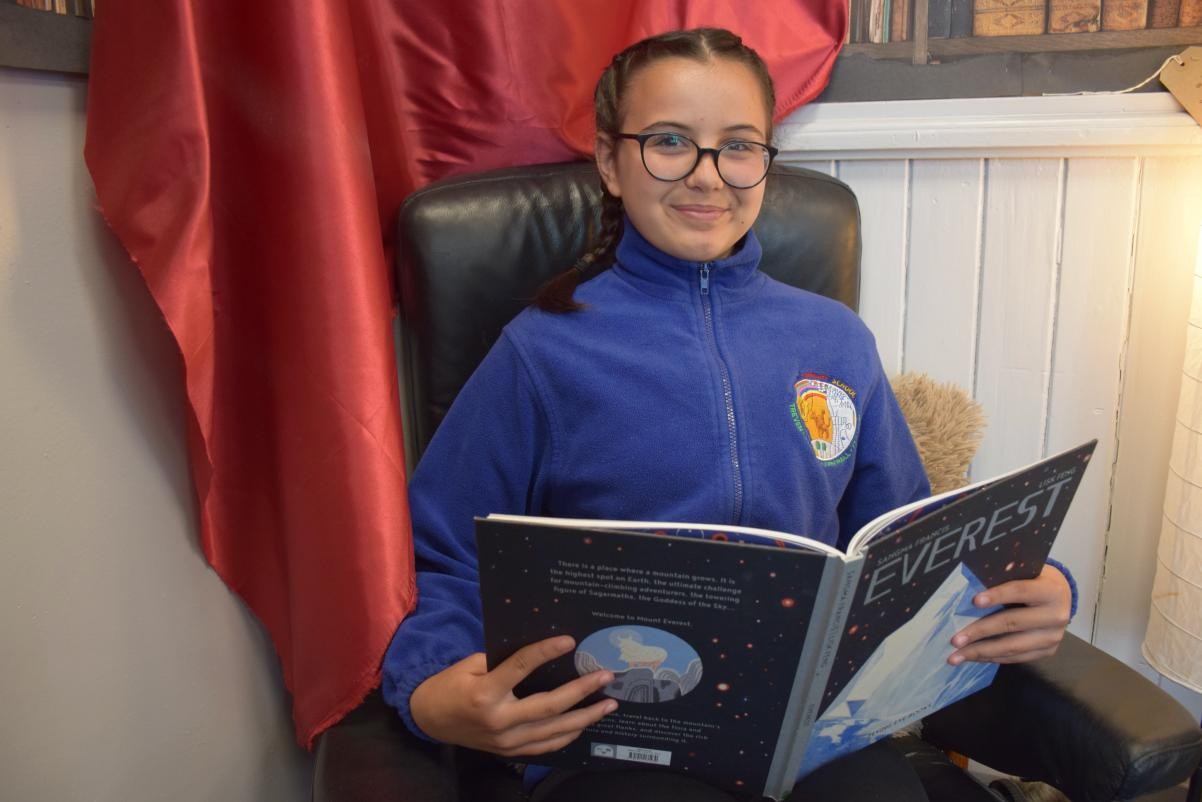
Daily Reading:
From Phonics to Fluent, Thoughtful Readers
Once children have secured the phonics knowledge they need to read accurately, they move into our whole-class reading approach. From this point through to Year 6, children take part in a daily reading lesson.
Aims:
Our aim is to develop children who can read accurately, fluently and with understanding, while also building the stamina, vocabulary and knowledge they need to engage successfully with increasingly complex texts.
Across a typical five-lesson sequence, children experience three complementary approaches:
Fluency:
Fluent reading provides the bridge between decoding words and understanding what we read.
During fluency lessons, children work predominantly with the class novel. Important vocabulary is explicitly pre-taught so that children can concentrate on reading the text accurately and expressively.
Teachers explicitly model fluent reading and children are given repeated opportunities to rehearse sections of text. We develop:
- accuracy and automatic word recognition;
- appropriate pace and phrasing;
- prosody, including expression, stress and rhythm;
- intonation and attention to punctuation;
- confidence when reading increasingly challenging texts aloud.
Our approach is informed by the work of Christopher Such, with fluency taught explicitly and deliberately rather than simply asking children to "read with expression".
Extended Reading:
Extended reading gives children the opportunity to read longer, uninterrupted sections of the same text.
The focus shifts from practising a short passage to sustaining successful reading over a greater length of time. This allows children to build the stamina and concentration they need to become confident, independent readers.
Children are also given opportunities to discuss what they have read, make connections and clarify their understanding. We aim for approximately 70% of the lesson to be spent reading and 30% discussing the text, ensuring that children spend substantial amounts of valuable lesson time actually reading.
Close Reading:
Close reading teaches children to slow down and look closely at a carefully selected section of text. Teachers guide children to notice important vocabulary, language choices, meaning and evidence within the text.
Through careful questioning and discussion, children learn to:
- retrieve and locate relevant information;
- explore vocabulary in context;
- make and justify inferences;
- consider an author's choices;
- make connections within and across texts;
- explain their thinking using evidence from what they have read.
Close reading enables children to move beyond simply understanding what happens to thinking carefully about how meaning is created and how they know.
Fresh Start
Sometimes, children can need a little extra support to overcome any barriers to learning how to read phonetically. If needed, this is addressed through additional support given in the Fresh Start programme – a follow on scheme from RWI, specifically aimed at Key Stage 2 pupils.
“A book can’t change the world on its own. But a book can change readers. And readers? They can change the world.”
John Green